Free UK delivery
First pouch £19 when you subscribe
Third-Pary tested
Vegan Friendly
No artificial colours
Free UK delivery
First pouch £19 when you subscribe
Third-Pary tested
Vegan Friendly
No artificial colours
Journal updates
Once a month we both write something. We're not the best writers, but it's always relevant to health and wellbeing, We promise it's worth subscribing.
Follow our socials:
" height="47.8243px" id="hNm8SnHsN" width="48.001px"/><path d="M 20.148 22.45 L 21.494 15.115 L 13.655 15.115 L 13.655 12.521 C 13.655 8.646 15.176 7.155 19.111 7.155 C 20.333 7.155 21.317 7.185 21.883 7.244 L 21.883 0.596 C 20.81 0.298 18.186 0 16.666 0 C 8.646 0 4.949 3.786 4.949 11.955 L 4.949 15.115 L 0 15.115 L 0 22.45 L 4.949 22.45 L 4.949 38.409 C 6.805 38.869 8.747 39.115 10.746 39.115 C 11.73 39.115 12.701 39.055 13.654 38.94 L 13.654 22.45 L 20.147 22.45 Z" fill="rgb(255, 255, 255)" height="39.11523px" id="IZwduF6H0" transform="translate(13.253 8.885)" width="21.883200000000002px"/></g></svg>)
" height="46.08008018188477px" id="PmDeKs1T2" transform="translate(9.439 1.92)" width="35.86505px"/><path d="M 26.753 13.487 C 29.841 15.701 33.622 17.004 37.705 17.004 L 37.705 10.796 C 35.426 10.308 33.408 9.113 31.89 7.45 C 29.293 5.824 27.422 3.14 26.873 0 L 21.148 0 L 21.148 31.501 C 21.135 35.174 18.166 38.147 14.503 38.147 C 12.345 38.147 10.428 37.115 9.214 35.516 C 7.046 34.417 5.559 32.163 5.559 29.559 C 5.559 25.876 8.533 22.89 12.203 22.89 C 12.907 22.89 13.584 23 14.22 23.203 L 14.22 16.927 C 6.339 17.09 0 23.553 0 31.501 C 0 35.469 1.578 39.066 4.14 41.694 C 6.452 43.252 9.234 44.16 12.227 44.16 C 20.25 44.16 26.753 37.633 26.753 29.582 L 26.753 13.487 Z" fill="rgb(0, 0, 0)" height="44.16008px" id="amd3uxhXO" transform="translate(5.3 1.92)" width="37.705200000000005px"/><path d="M 40.005 12.716 L 40.005 11.037 C 37.949 11.04 35.934 10.462 34.19 9.37 C 35.734 11.066 37.767 12.236 40.005 12.716 Z M 29.173 1.92 C 29.121 1.62 29.081 1.318 29.053 1.014 L 29.053 0 L 21.148 0 L 21.148 31.502 C 21.135 35.173 18.166 38.147 14.503 38.147 C 13.428 38.147 12.413 37.891 11.514 37.436 C 12.728 39.035 14.645 40.067 16.803 40.067 C 20.465 40.067 23.435 37.094 23.448 33.421 L 23.448 1.92 Z M 16.52 18.847 L 16.52 17.06 C 15.86 16.969 15.194 16.924 14.527 16.924 C 6.504 16.924 0 23.451 0 31.502 C 0 36.549 2.556 40.997 6.44 43.614 C 3.878 40.986 2.3 37.389 2.3 33.421 C 2.3 25.473 8.639 19.01 16.52 18.847 Z" fill="rgb(0, 242, 234)" height="43.613999352852034px" id="Rotxp9qV6" transform="translate(3 0)" width="40.00509998779297px"/></svg>)
" height="47.9906px" id="NfJBjlOH_" width="47.9719px"/><path d="M 12.328 0 C 5.522 0 0 5.522 0 12.328 C 0 19.134 5.522 24.656 12.328 24.656 C 19.134 24.656 24.656 19.134 24.656 12.328 C 24.656 5.522 19.134 0 12.328 0 Z M 12.328 20.325 C 7.913 20.325 4.331 16.744 4.331 12.328 C 4.331 7.913 7.913 4.331 12.328 4.331 C 16.744 4.331 20.325 7.913 20.325 12.328 C 20.325 16.744 16.744 20.325 12.328 20.325 Z" fill="rgb(0, 0, 0)" height="24.6562px" id="uPZoVx3NG" transform="translate(11.672 11.672)" width="24.6562px"/><path d="M 5.756 2.878 C 5.756 4.472 4.462 5.756 2.878 5.756 C 1.284 5.756 0 4.463 0 2.878 C 0 1.284 1.294 0 2.878 0 C 4.462 0 5.756 1.294 5.756 2.878 Z" fill="rgb(0, 0, 0)" height="5.75623px" id="laFxZnFK0" transform="translate(33.938 8.306)" width="5.7562px"/></g></svg>)
" height="33.81818px" id="eWSpfRUcx" transform="translate(0.048 7.091)" width="48.0000484px"/></g></svg>)
" height="48px" id="FEhWU7FyP" width="48px"/><path d="M 24 0 C 10.746 0 0 10.746 0 24 C 0 34.173 6.321 42.864 15.249 46.361 C 15.032 44.464 14.854 41.541 15.328 39.467 C 15.763 37.59 18.133 27.536 18.133 27.536 C 18.133 27.536 17.422 26.094 17.422 23.98 C 17.422 20.642 19.358 18.153 21.768 18.153 C 23.822 18.153 24.81 19.694 24.81 21.531 C 24.81 23.585 23.506 26.667 22.815 29.531 C 22.242 31.921 24.02 33.877 26.37 33.877 C 30.637 33.877 33.916 29.373 33.916 22.894 C 33.916 17.146 29.788 13.136 23.881 13.136 C 17.047 13.136 13.037 18.252 13.037 23.546 C 13.037 25.6 13.827 27.812 14.815 29.017 C 15.012 29.254 15.032 29.472 14.973 29.709 C 14.795 30.459 14.38 32.099 14.301 32.435 C 14.203 32.869 13.946 32.968 13.491 32.751 C 10.489 31.348 8.612 26.983 8.612 23.447 C 8.612 15.882 14.104 8.928 24.474 8.928 C 32.79 8.928 39.269 14.854 39.269 22.795 C 39.269 31.072 34.054 37.728 26.825 37.728 C 24.395 37.728 22.104 36.464 21.333 34.963 C 21.333 34.963 20.128 39.546 19.832 40.672 C 19.299 42.765 17.837 45.373 16.849 46.973 C 19.101 47.664 21.472 48.039 23.96 48.039 C 37.215 48.039 47.961 37.294 47.961 24.04 C 48 10.746 37.254 0 24 0 Z" fill="rgb(230, 0, 25)" height="48.0395px" id="WFmk8xYx8" width="47.96060855025641px"/></g></svg>)


Which type of magnesium is best?

George
•
•
8 Minutes
•
Levulo Ingredients
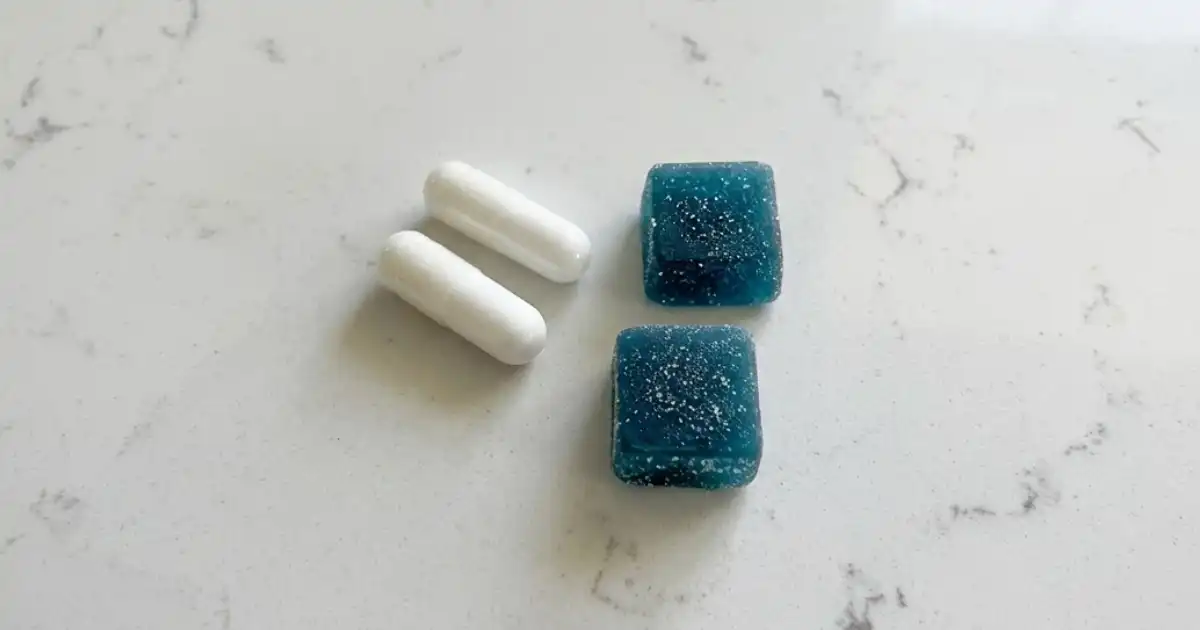
Ask anyone over thirty and they're either taking magnesium or they've tried it at some point. It's sort of become the default answer to feeling a bit off, the way vitamin C used to be.
I've taken it in various forms for years and I'll keep taking it. But I've also spent a stupid amount of time reading about it, and where I've ended up is that the question in the title is a bit wrong. There isn't a best magnesium. There's a best one for whatever you're actually trying to do, and then there's a much bigger question sat underneath all of it that hardly anyone talks about, which is how much of it you're getting in the first place.
I'll do the forms first, obviously, because that's what you came for. The section after that is the one that changed how I buy.
Do you actually need it?
Worth asking, given how many people are taking it on the basis of a TikTok.
The UK data is a bit grim. A secondary analysis of the National Diet and Nutrition Survey found around 19% of adults in their twenties had magnesium intakes below the level considered adequate, and women across the whole 20 to 59 range came out significantly lower than men. Average intake for UK women sits under the recommended figure from food alone.
So it's a real thing. It's also not the deficiency crisis this category likes to sell you. Most people aren't deficient in any way a doctor would actually measure, they're just eating less of it than they should be.
While we're here, the soil thing
I had a line in the first draft of this about depleted soils. It's in every article about magnesium ever written, I've said it out loud to people, and I just assumed it was settled.
Then I went and looked properly, and the evidence for it is a lot weaker than the claim. The studies everyone cites compare old food composition tables against newer ones, which sounds rigorous and isn't, because they're unmatched snapshots taken decades apart. Possibly different varieties, different seasons, different growing regions. About half the nutrients measured showed no significant decline at all, and the ones that did dropped by roughly 15% on average, which against a daily target in the hundreds of milligrams is a few milligrams.
The soil itself has mostly held steady or gone up. Rothamsted have been sampling the same fields since the 1840s and that's what their numbers show.
There might well be a genuine decline in crops, driven by higher-yielding varieties spreading the same nutrients across more bulk. That's a completely different mechanism to soil depletion though, and a much less alarming story, which is presumably why nobody tells that version.
I'm leaving this in because I'd rather correct myself in public than repeat something because it's convenient. If your magnesium intake is low it's overwhelmingly about what's on your plate, not what's under the field.
The seven forms, and what each is actually for
Elemental figures are approximate and shift a bit depending on hydration state and manufacturer.
Magnesium oxide. Cheapest, highest elemental content at about 60%, and comfortably the worst absorbed. One study that gets cited a lot put absorption at roughly 4%, against 28 to 33% for the organic forms. That's why it's on so many labels, the elemental number looks brilliant. It's also got a strong laxative effect at any dose worth taking, which is why most people pack it in.
Magnesium citrate. Around 16% elemental. Well absorbed, cheap, everywhere, and the most likely of the common forms to loosen things up. Whether that's a downside or the entire point rather depends on why you're taking it.
Magnesium glycinate, or bisglycinate. Around 14% elemental. The magnesium's bound to two molecules of the amino acid glycine, which changes how it moves through the gut. Its whole reputation is built on tolerability. It's the gentlest of the common forms on your stomach and the least likely to give you the citrate problem.
Magnesium malate. Around 15%. Well absorbed, well tolerated, and usually where people end up if they liked citrate's absorption but not what came with it.
Magnesium L-threonate. Around 8% elemental, so you're taking a lot of powder for not much magnesium, and it's by a distance the most expensive of the lot. It was developed specifically for how it behaves in the brain and it gets marketed accordingly. The human evidence is still pretty thin. Not saying it does nothing. Just that it's sold with a lot more confidence than the research actually backs up.
Magnesium taurate. Around 9%. Magnesium bound to taurine. Less studied than any of the above, and most of what's written about it is really extrapolating from what taurine does on its own, which isn't the same thing at all.
Magnesium sulfate. Epsom salts. Around 10% elemental, but that's academic really, because people buy it to put in a bath and there's no good evidence that meaningful amounts of magnesium cross intact skin. If a bath makes you feel better then great, that's a hot bath doing what hot baths do. Just don't count it toward your intake.
The number on the front of the tub isn't the number that matters
This is the bit I wish someone had told me a decade ago.
When a label says "Magnesium Citrate 500mg", that 500mg is almost always the weight of the whole compound. The magnesium is only one part of it. The rest is citrate, or glycine, or whatever it's bound to.
So 500mg of magnesium oxide gives you roughly 300mg of actual magnesium. 500mg of magnesium glycinate gives you roughly 70mg. Same number on the front of the tub. Four-fold difference in what you're taking.
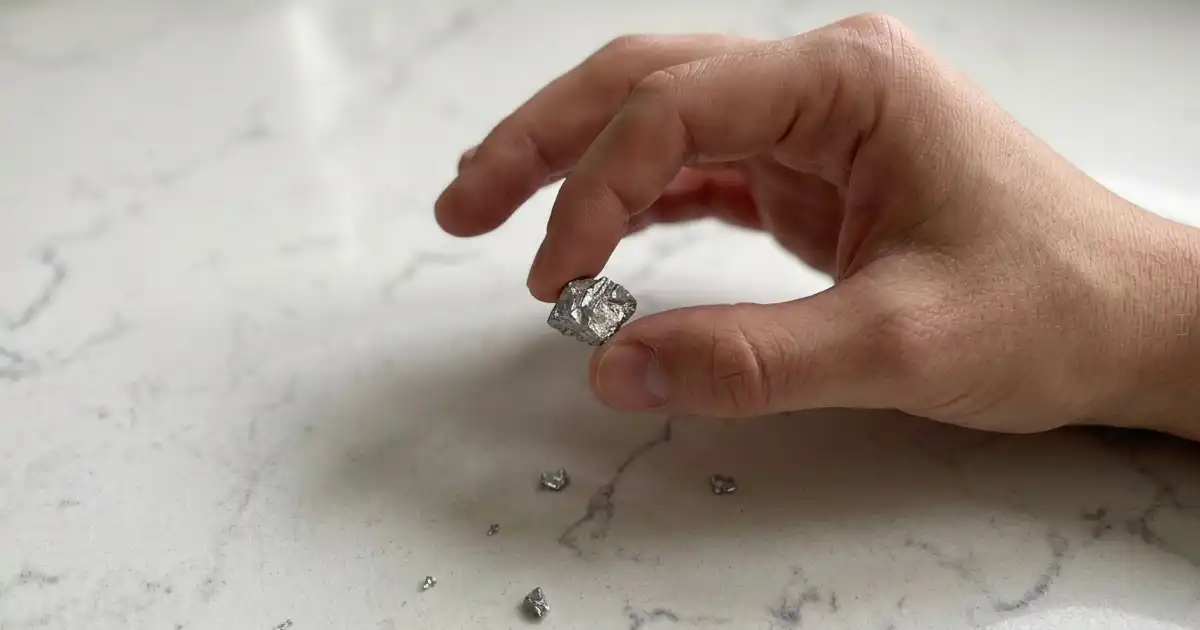
The figure you want is elemental magnesium, and the UK reference value used on labels is 375mg a day. If a product doesn't state its elemental content, or it's in tiny print under a much bigger compound weight, that's usually on purpose.
Honestly, once you know this, most of the arguing about which form is best turns out to be arguing about the wrong thing entirely. A brilliantly absorbed form at a dose too small to matter is worse than a mediocre one at a proper dose.
So how good is the evidence for ranking these?
Thinner than the internet makes out. The one bit that holds up well is that oxide is poorly absorbed, and that's been shown over and over.
Past that it gets messy. The absorption studies comparing organic forms head to head are small, often fewer than fifty people, and they mostly measure magnesium in urine or blood as a stand-in for how much got absorbed, which is an indirect measure of an indirect thing. They don't agree with each other either. One trial in 46 adults from 2003 found citrate outperformed an amino acid chelate. A more recent crossover study put bisglycinate and oxide almost level, with citrate behind both of them.
I take glycinate. I've read the literature that supports glycinate. And I still can't tell you it's meaningfully better absorbed than citrate, because the studies don't cleanly say that.
What the evidence does support is the tolerability difference, and that isn't nothing. The best-absorbed magnesium in the world does you no good at all if you've quit it by week three.
Food first, but be honest about which foods
Getting it from food is better and I'd say that even though we sell a supplement.
The standard magnesium-rich foods list is a bit of a fiction though, because it ranks everything by concentration and you don't eat in 100g units. Some of what's on it barely does anything.
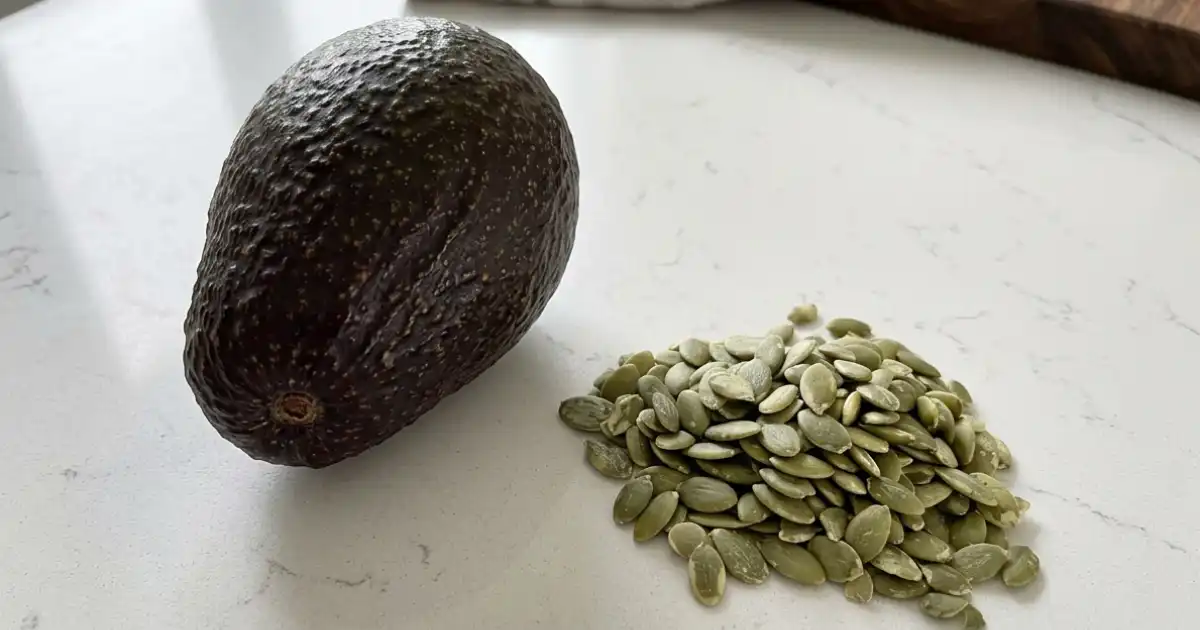
Pumpkin seeds are the outlier by a mile, around 550mg per 100g, so a 30g handful gets you about 165mg. Cooked spinach is strong per portion because it wilts right down. Almonds, cashews, dark chocolate, black beans and lentils all pull real weight.
Then there's avocado, which is on every single one of these lists and shouldn't be. A whole one gives you around 58mg. That handful of pumpkin seeds is worth roughly three avocados, costs about forty pence and doesn't need to be ripe on precisely the correct Tuesday.
Dairy is the other one. Milk is about 10mg per 100g, so a large glass gets you into single-digit percentages of the daily reference value. It's on the lists because it's technically true, not because it helps.
If you want to fix this with food it's seeds, nuts, beans and wholegrains. Refining grain strips most of the magnesium out.
Why we ended up on glycinate
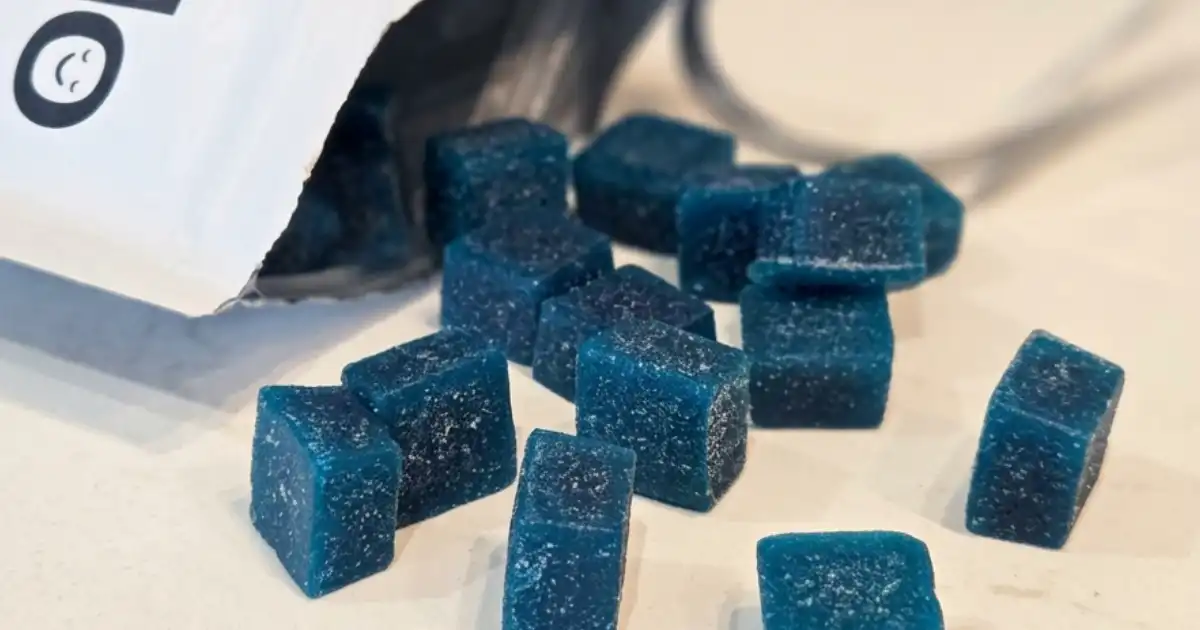
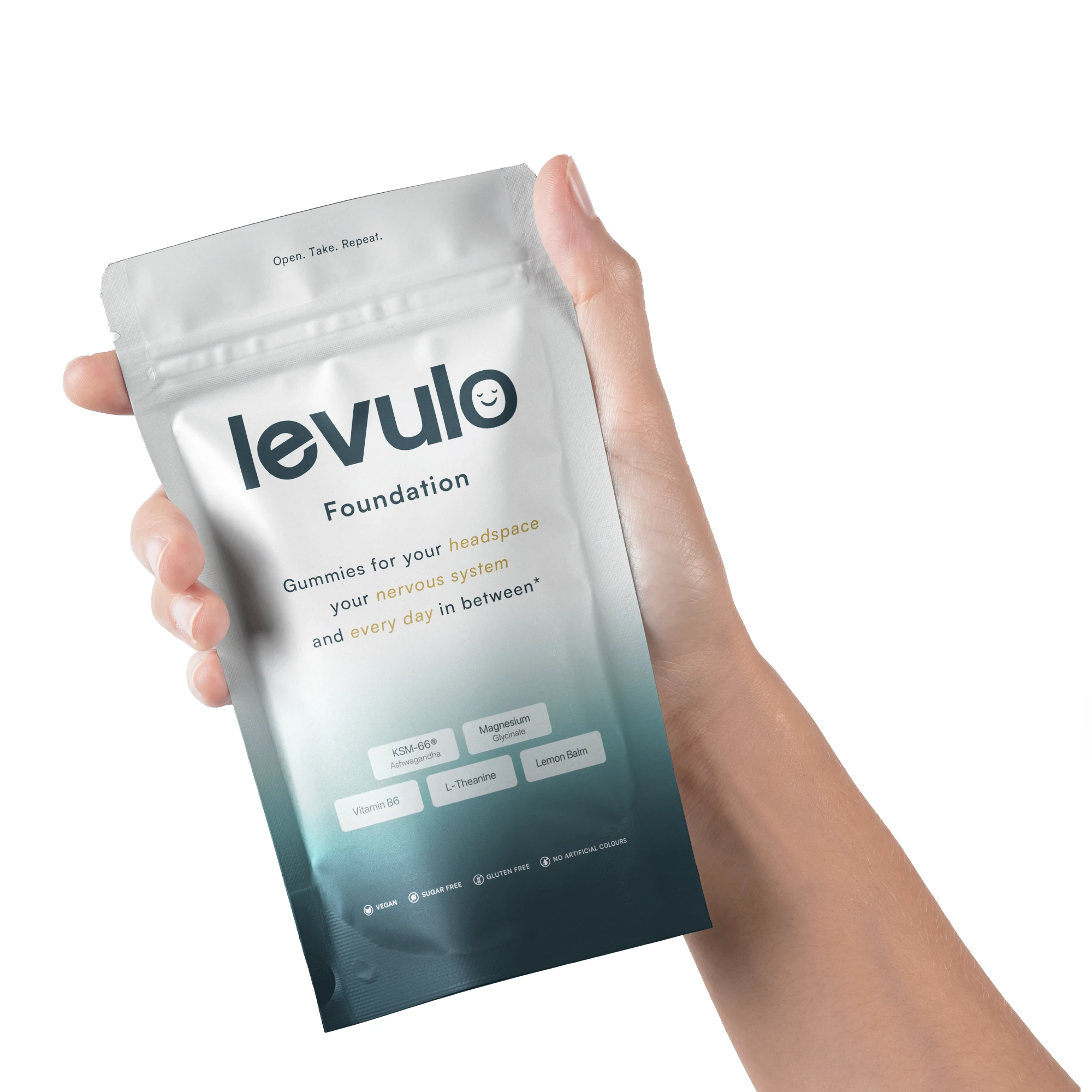
In Daily Foundation Gummies we use magnesium glycinate at 56mg elemental, which is 15% of the daily reference value, and we print both numbers on the pack.
Reasons, roughly in order of how much they mattered.
Tolerability first. It's the form people are most likely to still be taking after a month, and for something you take every day that's really the only measure that counts.
Second, we could state it honestly. Glycinate's low elemental percentage is a nuisance if you want a big number on the front, and that's exactly why a lot of brands avoid it. We'd rather print 56mg and explain what it means than print 500mg and let people assume.
Third, it works in a gummy. Some forms just don't, at any dose worth having.
Magnesium contributes to normal psychological function, to the reduction of tiredness and fatigue, and to the normal functioning of the nervous system. So does Vitamin B6. That's why both are in there.* The longer version is on our science page.
The claim we're not going to make
Most people buy magnesium for sleep. I know that, you know that, and every brand in this category knows it too.
There is no authorised UK health claim for magnesium and sleep. Not a restricted one, not a hard-to-qualify-for one. There isn't one. The human trials are small and the results are mixed, and the enormous percentage improvements that float around in supplement copy don't turn up in the controlled literature at all.
So we're not going to say it. Not on the pack, not on the site, not here. I'd rather we were the brand that tells you which claim it's decided not to make instead of making something up.
Where that leaves you
If you're constipated, citrate. If you want the cheapest elemental magnesium going and you don't mind the consequences, oxide. If you want something you'll actually still be taking in three months, glycinate or malate. Threonate is a big premium for a small evidence base and you should go in knowing that.
Whichever you land on, turn the tub round and find the elemental number. If you can't find it, that's your answer about the product.
*Health claims authorised on the GB Nutrition and Health Claims Register. Food supplements should not be used as a substitute for a varied and balanced diet and a healthy lifestyle.
General information, not medical advice. If you're on medication or have a kidney condition, check with your GP before supplementing magnesium.
extra tidbits
Things worth knowing
Which type of magnesium is best?
What is elemental magnesium?
What's the difference between magnesium glycinate and bisglycinate?
How much magnesium is in Levulo Daily Foundation Gummies?
Journal updates
Once a month we both write something. We're not the best writers, but it's always relevant to health and wellbeing, We promise it's worth subscribing.
Follow our socials:
Which type of magnesium is best?
George
•
•
8 Minutes
•
Levulo Ingredients
Ask anyone over thirty and they're either taking magnesium or they've tried it at some point. It's sort of become the default answer to feeling a bit off, the way vitamin C used to be.
I've taken it in various forms for years and I'll keep taking it. But I've also spent a stupid amount of time reading about it, and where I've ended up is that the question in the title is a bit wrong. There isn't a best magnesium. There's a best one for whatever you're actually trying to do, and then there's a much bigger question sat underneath all of it that hardly anyone talks about, which is how much of it you're getting in the first place.
I'll do the forms first, obviously, because that's what you came for. The section after that is the one that changed how I buy.
Do you actually need it?
Worth asking, given how many people are taking it on the basis of a TikTok.
The UK data is a bit grim. A secondary analysis of the National Diet and Nutrition Survey found around 19% of adults in their twenties had magnesium intakes below the level considered adequate, and women across the whole 20 to 59 range came out significantly lower than men. Average intake for UK women sits under the recommended figure from food alone.
So it's a real thing. It's also not the deficiency crisis this category likes to sell you. Most people aren't deficient in any way a doctor would actually measure, they're just eating less of it than they should be.
While we're here, the soil thing
I had a line in the first draft of this about depleted soils. It's in every article about magnesium ever written, I've said it out loud to people, and I just assumed it was settled.
Then I went and looked properly, and the evidence for it is a lot weaker than the claim. The studies everyone cites compare old food composition tables against newer ones, which sounds rigorous and isn't, because they're unmatched snapshots taken decades apart. Possibly different varieties, different seasons, different growing regions. About half the nutrients measured showed no significant decline at all, and the ones that did dropped by roughly 15% on average, which against a daily target in the hundreds of milligrams is a few milligrams.
The soil itself has mostly held steady or gone up. Rothamsted have been sampling the same fields since the 1840s and that's what their numbers show.
There might well be a genuine decline in crops, driven by higher-yielding varieties spreading the same nutrients across more bulk. That's a completely different mechanism to soil depletion though, and a much less alarming story, which is presumably why nobody tells that version.
I'm leaving this in because I'd rather correct myself in public than repeat something because it's convenient. If your magnesium intake is low it's overwhelmingly about what's on your plate, not what's under the field.
The seven forms, and what each is actually for
Elemental figures are approximate and shift a bit depending on hydration state and manufacturer.
Magnesium oxide. Cheapest, highest elemental content at about 60%, and comfortably the worst absorbed. One study that gets cited a lot put absorption at roughly 4%, against 28 to 33% for the organic forms. That's why it's on so many labels, the elemental number looks brilliant. It's also got a strong laxative effect at any dose worth taking, which is why most people pack it in.
Magnesium citrate. Around 16% elemental. Well absorbed, cheap, everywhere, and the most likely of the common forms to loosen things up. Whether that's a downside or the entire point rather depends on why you're taking it.
Magnesium glycinate, or bisglycinate. Around 14% elemental. The magnesium's bound to two molecules of the amino acid glycine, which changes how it moves through the gut. Its whole reputation is built on tolerability. It's the gentlest of the common forms on your stomach and the least likely to give you the citrate problem.
Magnesium malate. Around 15%. Well absorbed, well tolerated, and usually where people end up if they liked citrate's absorption but not what came with it.
Magnesium L-threonate. Around 8% elemental, so you're taking a lot of powder for not much magnesium, and it's by a distance the most expensive of the lot. It was developed specifically for how it behaves in the brain and it gets marketed accordingly. The human evidence is still pretty thin. Not saying it does nothing. Just that it's sold with a lot more confidence than the research actually backs up.
Magnesium taurate. Around 9%. Magnesium bound to taurine. Less studied than any of the above, and most of what's written about it is really extrapolating from what taurine does on its own, which isn't the same thing at all.
Magnesium sulfate. Epsom salts. Around 10% elemental, but that's academic really, because people buy it to put in a bath and there's no good evidence that meaningful amounts of magnesium cross intact skin. If a bath makes you feel better then great, that's a hot bath doing what hot baths do. Just don't count it toward your intake.
The number on the front of the tub isn't the number that matters
This is the bit I wish someone had told me a decade ago.
When a label says "Magnesium Citrate 500mg", that 500mg is almost always the weight of the whole compound. The magnesium is only one part of it. The rest is citrate, or glycine, or whatever it's bound to.
So 500mg of magnesium oxide gives you roughly 300mg of actual magnesium. 500mg of magnesium glycinate gives you roughly 70mg. Same number on the front of the tub. Four-fold difference in what you're taking.
The figure you want is elemental magnesium, and the UK reference value used on labels is 375mg a day. If a product doesn't state its elemental content, or it's in tiny print under a much bigger compound weight, that's usually on purpose.
Honestly, once you know this, most of the arguing about which form is best turns out to be arguing about the wrong thing entirely. A brilliantly absorbed form at a dose too small to matter is worse than a mediocre one at a proper dose.
So how good is the evidence for ranking these?
Thinner than the internet makes out. The one bit that holds up well is that oxide is poorly absorbed, and that's been shown over and over.
Past that it gets messy. The absorption studies comparing organic forms head to head are small, often fewer than fifty people, and they mostly measure magnesium in urine or blood as a stand-in for how much got absorbed, which is an indirect measure of an indirect thing. They don't agree with each other either. One trial in 46 adults from 2003 found citrate outperformed an amino acid chelate. A more recent crossover study put bisglycinate and oxide almost level, with citrate behind both of them.
I take glycinate. I've read the literature that supports glycinate. And I still can't tell you it's meaningfully better absorbed than citrate, because the studies don't cleanly say that.
What the evidence does support is the tolerability difference, and that isn't nothing. The best-absorbed magnesium in the world does you no good at all if you've quit it by week three.
Food first, but be honest about which foods
Getting it from food is better and I'd say that even though we sell a supplement.
The standard magnesium-rich foods list is a bit of a fiction though, because it ranks everything by concentration and you don't eat in 100g units. Some of what's on it barely does anything.
Pumpkin seeds are the outlier by a mile, around 550mg per 100g, so a 30g handful gets you about 165mg. Cooked spinach is strong per portion because it wilts right down. Almonds, cashews, dark chocolate, black beans and lentils all pull real weight.
Then there's avocado, which is on every single one of these lists and shouldn't be. A whole one gives you around 58mg. That handful of pumpkin seeds is worth roughly three avocados, costs about forty pence and doesn't need to be ripe on precisely the correct Tuesday.
Dairy is the other one. Milk is about 10mg per 100g, so a large glass gets you into single-digit percentages of the daily reference value. It's on the lists because it's technically true, not because it helps.
If you want to fix this with food it's seeds, nuts, beans and wholegrains. Refining grain strips most of the magnesium out.
Why we ended up on glycinate
In Daily Foundation Gummies we use magnesium glycinate at 56mg elemental, which is 15% of the daily reference value, and we print both numbers on the pack.
Reasons, roughly in order of how much they mattered.
Tolerability first. It's the form people are most likely to still be taking after a month, and for something you take every day that's really the only measure that counts.
Second, we could state it honestly. Glycinate's low elemental percentage is a nuisance if you want a big number on the front, and that's exactly why a lot of brands avoid it. We'd rather print 56mg and explain what it means than print 500mg and let people assume.
Third, it works in a gummy. Some forms just don't, at any dose worth having.
Magnesium contributes to normal psychological function, to the reduction of tiredness and fatigue, and to the normal functioning of the nervous system. So does Vitamin B6. That's why both are in there.* The longer version is on our science page.
The claim we're not going to make
Most people buy magnesium for sleep. I know that, you know that, and every brand in this category knows it too.
There is no authorised UK health claim for magnesium and sleep. Not a restricted one, not a hard-to-qualify-for one. There isn't one. The human trials are small and the results are mixed, and the enormous percentage improvements that float around in supplement copy don't turn up in the controlled literature at all.
So we're not going to say it. Not on the pack, not on the site, not here. I'd rather we were the brand that tells you which claim it's decided not to make instead of making something up.
Where that leaves you
If you're constipated, citrate. If you want the cheapest elemental magnesium going and you don't mind the consequences, oxide. If you want something you'll actually still be taking in three months, glycinate or malate. Threonate is a big premium for a small evidence base and you should go in knowing that.
Whichever you land on, turn the tub round and find the elemental number. If you can't find it, that's your answer about the product.
*Health claims authorised on the GB Nutrition and Health Claims Register. Food supplements should not be used as a substitute for a varied and balanced diet and a healthy lifestyle.
General information, not medical advice. If you're on medication or have a kidney condition, check with your GP before supplementing magnesium.
extra tidbits
Things worth knowing
Which type of magnesium is best?
What is elemental magnesium?
What's the difference between magnesium glycinate and bisglycinate?
How much magnesium is in Levulo Daily Foundation Gummies?
Start today
Build from a stronger base.
Foundation is where it starts. Five actives, two gummies, every dose printed on the pack. £19 for your first month, then £25 — cancel or pause anytime.
Start today
Build from a stronger base.
Foundation is where it starts. Five actives, two gummies, every dose printed on the pack. £19 for your first month, then £25 — cancel or pause anytime.